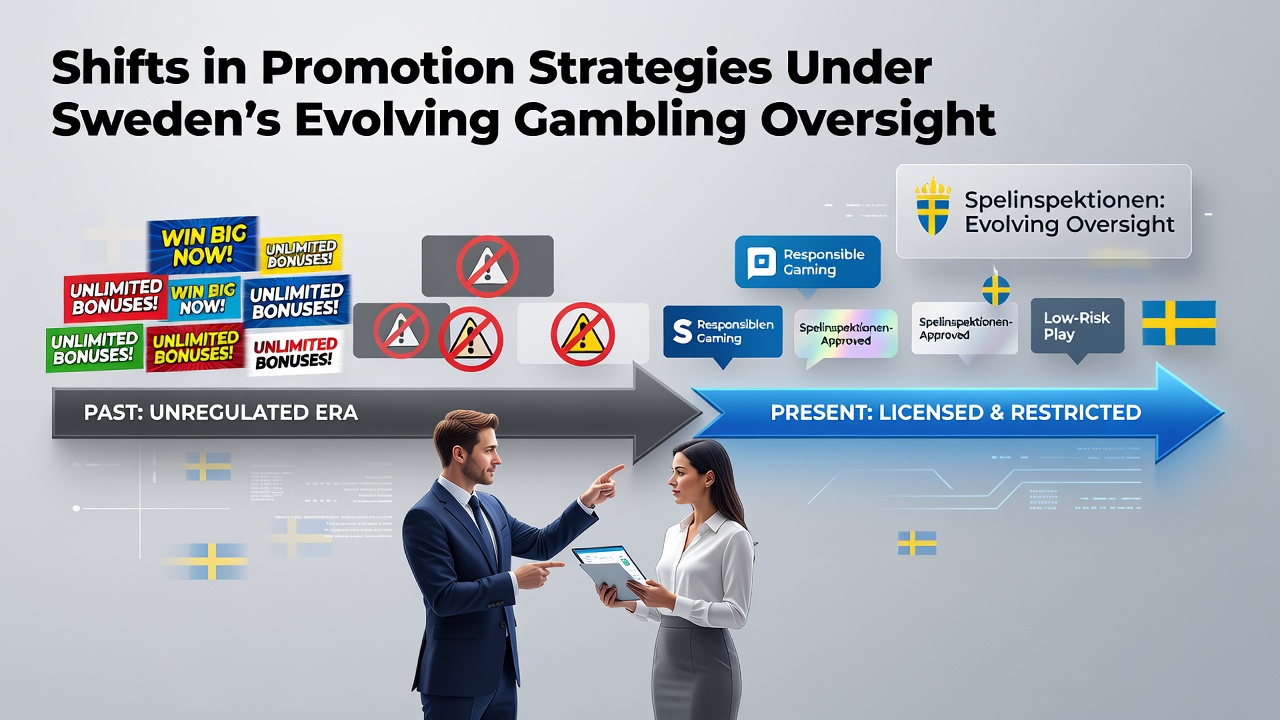
Shifts in Promotion Strategies Under Sweden's Evolving Gambling Oversight
Sweden's gambling market has undergone significant regulatory adjustments in recent years, and operators have responded by reshaping their promotional approaches to align with stricter oversight from Spelinspektionen. These changes reflect broader efforts to balance commercial interests with consumer protection measures, as authorities continue to refine licensing conditions and advertising standards. Data from industry reports show that promotion spending patterns shifted notably after the 2019 re-regulation, with operators moving away from high-volume bonus offers toward more targeted and compliant campaigns.Regulatory Framework Developments
Spelinspektionen introduced updated guidelines that limit the frequency and structure of welcome bonuses and deposit matches, requiring operators to emphasize responsible gaming messaging in all promotional materials. Researchers at Stockholm University documented how these rules prompted companies to revise their marketing calendars, replacing aggressive time-limited campaigns with ongoing loyalty programs that incorporate spending limits and self-exclusion prompts. Observers note that the authority's enforcement actions in 2024 and 2025 accelerated this transition, as several operators received fines for non-compliant bonus structures that failed to disclose wagering requirements clearly.
Those who've tracked the market closely point out that upcoming adjustments scheduled for August 2026 will further restrict cross-selling promotions between different game categories, forcing operators to segment their campaigns more precisely. This development builds on earlier directives that already cap the value of free spins and cashback offers tied to high-risk products. Industry analyses indicate that compliance costs have risen accordingly, leading many firms to invest in automated monitoring tools that flag potential violations before campaigns launch.
Adaptations in Operator Strategies
Operators have pivoted toward value-added promotions that highlight entertainment rather than financial incentives alone. Take one mid-sized betting platform that restructured its entire loyalty tier system in 2025 to include educational content about probability and risk alongside reward points. Studies from the European Gaming and Betting Association reveal similar patterns across licensed entities, where promotional budgets now allocate larger shares to content partnerships and community events instead of direct cash giveaways.
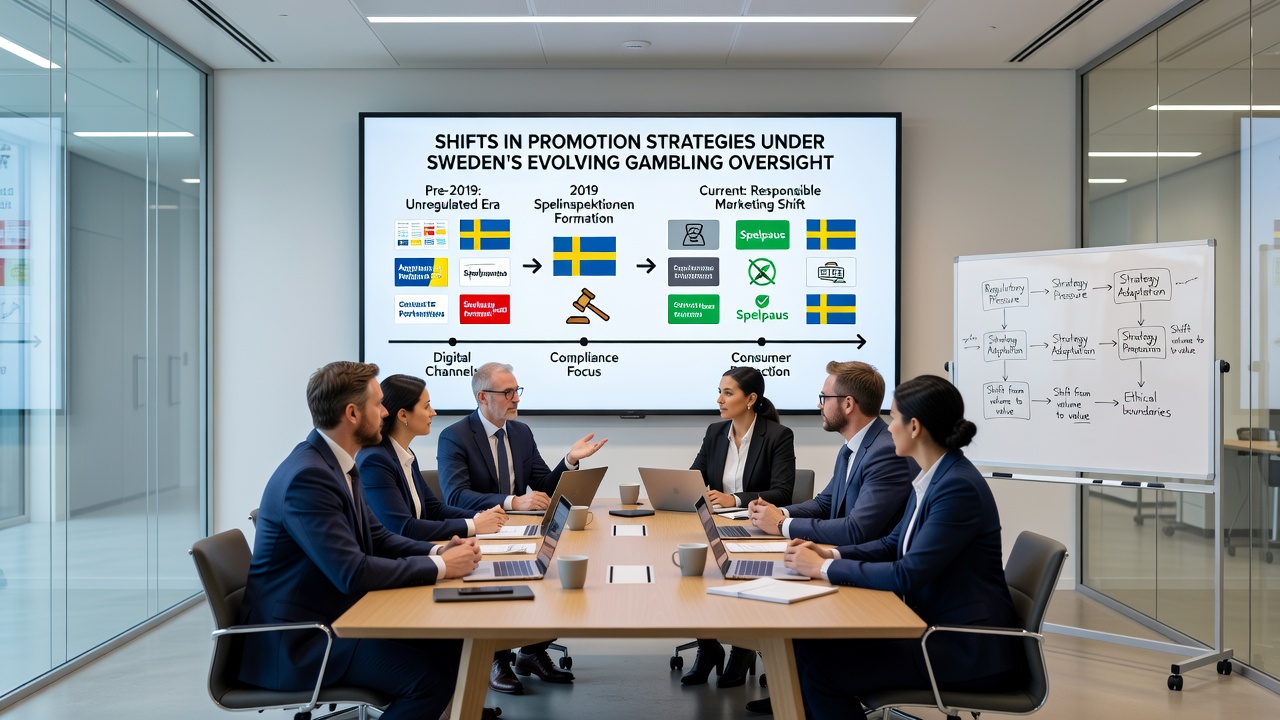
What's interesting is how these adjustments coincide with technological upgrades in player tracking systems. Companies now use real-time data to deliver personalized offers that stay within regulatory boundaries, such as time-based bonuses that encourage breaks rather than continuous play. Figures from market research firms show a 28 percent drop in new customer acquisition spend on bonus-heavy campaigns between 2023 and 2025, while retention-focused initiatives grew by 15 percent during the same period.
Impact on Consumer Engagement
Players have encountered fewer pop-up bonus notifications and more integrated responsible gaming features within promotional interfaces. According to surveys conducted by Nordic gambling research networks, participants report greater awareness of their own limits when promotions include built-in reminders about session duration and deposit caps. This shift aligns with broader policy goals set by Swedish authorities, who have linked promotion compliance directly to license renewal criteria.
Yet the transition has not eliminated all forms of incentive-based marketing. Operators continue to experiment with tournament-style promotions and achievement badges that reward consistent play without promising monetary returns. Academic papers published through the University of Melbourne's gambling research center highlight how such approaches maintain engagement levels while reducing the risk of overspending, a pattern that Swedish licensees appear to be adopting at scale.
Future Outlook and Compliance Pressures
As the August 2026 deadline approaches, industry consultants anticipate further consolidation among smaller operators who lack the resources to maintain complex compliance infrastructures. Larger groups have already begun sharing best-practice frameworks through trade associations, focusing on transparent terms and unified reporting standards. Evidence from quarterly Spelinspektionen publications suggests that enforcement will intensify around promotional targeting, particularly for campaigns aimed at younger demographics or high-frequency users.
Those monitoring the sector expect continued innovation in non-monetary rewards, such as exclusive event access or merchandise, to fill the gap left by restricted bonus mechanics. Government statistics indicate that overall gambling participation rates have remained stable despite these promotional changes, suggesting that operators have found effective ways to sustain interest without relying on aggressive financial incentives.
Conclusion
Sweden's evolving gambling oversight continues to shape how operators design and deliver promotions, with measurable effects on spending patterns, consumer interactions, and regulatory compliance efforts. The changes scheduled for August 2026 represent the next phase in this ongoing process, one that will likely accelerate the move toward responsible and segmented marketing practices. Data from multiple sources confirm that the market has adapted without significant disruption to overall activity levels, though smaller players face growing operational challenges. As regulators refine their approach, promotion strategies will remain a central focus for both compliance teams and market analysts tracking the sector's development.